Stone Tuckpointing in Cleveland, OH
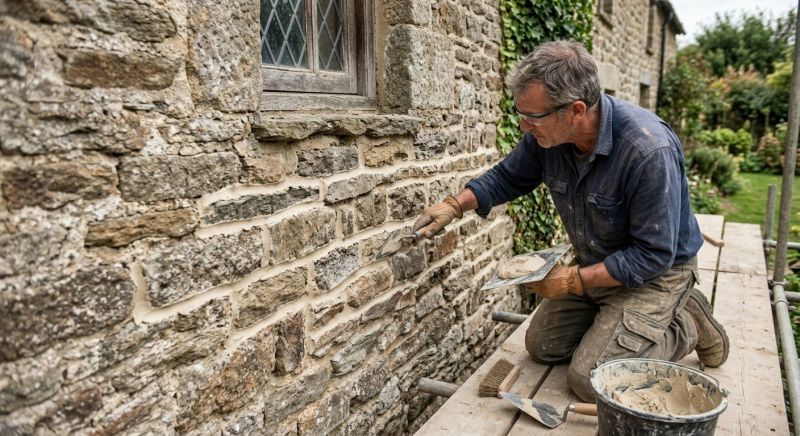
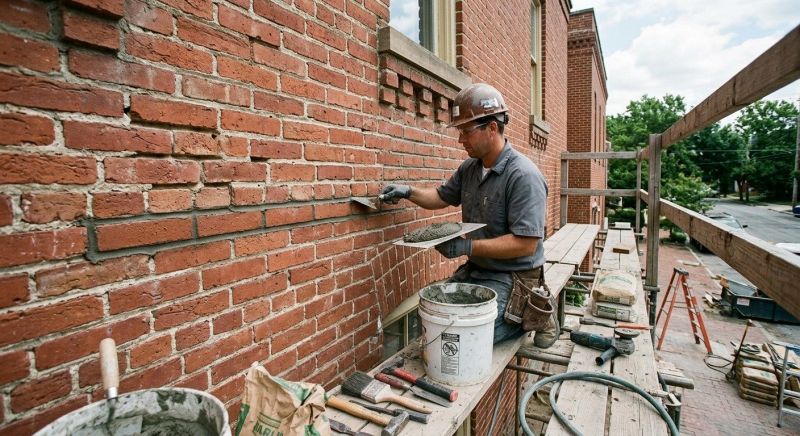
Stone tuckpointing services involve the removal and replacement of deteriorated mortar between stone or brickwork to restore the structural integrity and appearance of a property. This process is commonly used on historic facades, retaining walls, chimneys, and other masonry features that require careful attention to detail. Property owners typically seek tuckpointing when they notice crumbling mortar, gaps, or cracks that could lead to further damage if left unaddressed. Understanding the extent of mortar deterioration and the type of stone or brick used is essential before requesting services, as these factors influence the scope and approach of the work.
Before requesting tuckpointing, homeowners should evaluate the condition of their masonry and consider the overall aesthetic they wish to maintain or restore. It's important to identify areas where mortar has fallen out or become loose, as well as any signs of water infiltration or structural movement. Proper matching of mortar color and texture is often a priority to ensure a seamless appearance. Clarifying these details can help property owners communicate their needs effectively and ensure the work supports both the durability and visual appeal of their masonry features.
Many property owners in Cleveland, OH look into Stone Tuckpointing for repairs, replacements, upgrades, and appearance-related improvements.
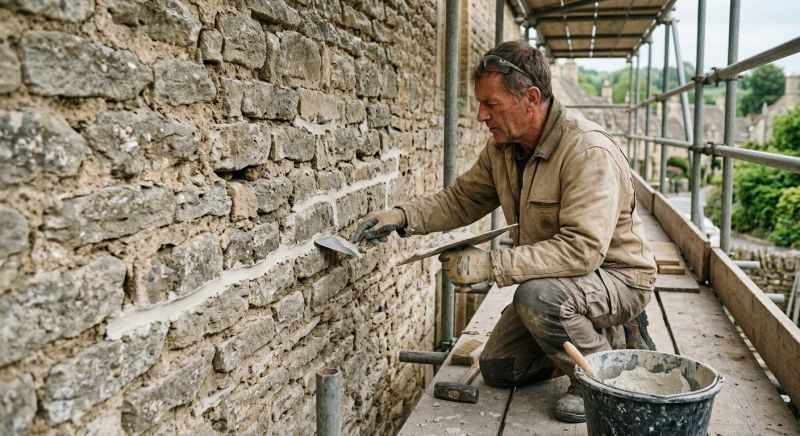
Restoring Masonry Integrity
Stone tuckpointing helps repair and strengthen historic and modern masonry structures in cleveland neighborhoods.
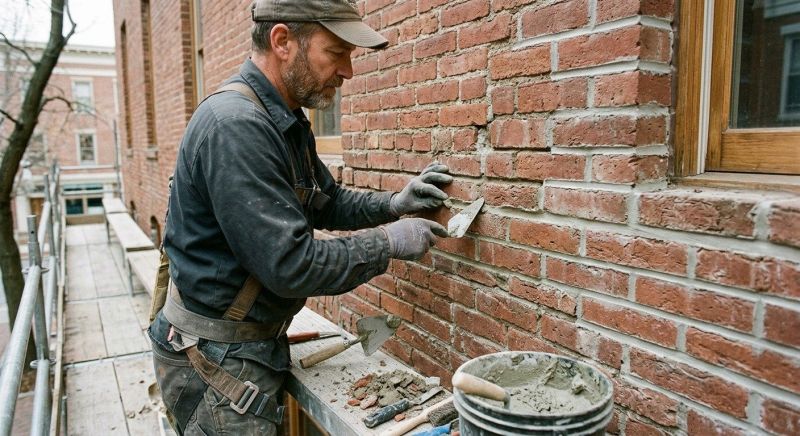
Enhancing Building Appearance
Proper tuckpointing improves the look of brick and stone facades, adding curb appeal to residential and commercial properties.
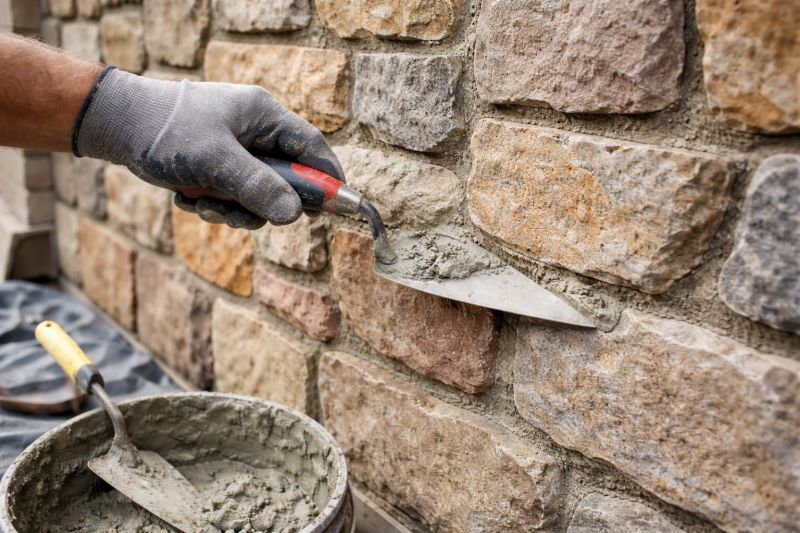
Preventing Water Damage
Tuckpointing seals cracks and gaps to protect structures from moisture infiltration and weather-related deterioration.
Stone Tuckpointing in Cleveland, OH
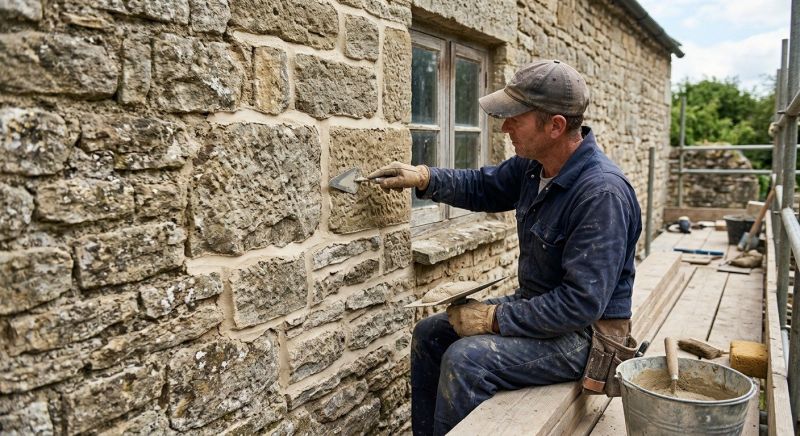
Stone tuckpointing services involve the removal and replacement of deteriorated mortar between stone or brickwork to restore the structural integrity and appearance of a property. This process is commonly used on historic facades, retaining walls, chimneys, and other masonry features that require careful attention to detail. Property owners typically seek tuckpointing when they notice crumbling mortar, gaps, or cracks that could lead to further damage if left unaddressed. Understanding the extent of mortar deterioration and the type of stone or brick used is essential before requesting services, as these factors influence the scope and approach of the work.
Before requesting tuckpointing, homeowners should evaluate the condition of their masonry and consider the overall aesthetic they wish to maintain or restore. It's important to identify areas where mortar has fallen out or become loose, as well as any signs of water infiltration or structural movement. Proper matching of mortar color and texture is often a priority to ensure a seamless appearance. Clarifying these details can help property owners communicate their needs effectively and ensure the work supports both the durability and visual appeal of their masonry features.
Many property owners in Cleveland, OH look into Stone Tuckpointing for repairs, replacements, upgrades, and appearance-related improvements.
Common Stone Tuckpointing Jobs
Stone Tuckpointing - restores the appearance and integrity of brick and stone masonry.
Brick Repair - addresses cracked or damaged mortar joints for a durable finish.
Masonry Restoration - preserves historic stonework and prevents further deterioration.
Mortar Repointing - replaces old, crumbling mortar to strengthen brick structures.
Stonework Cleaning - removes dirt and stains to enhance the natural look of stone surfaces.
Structural Stabilization - reinforces weakened masonry to maintain building safety and stability.
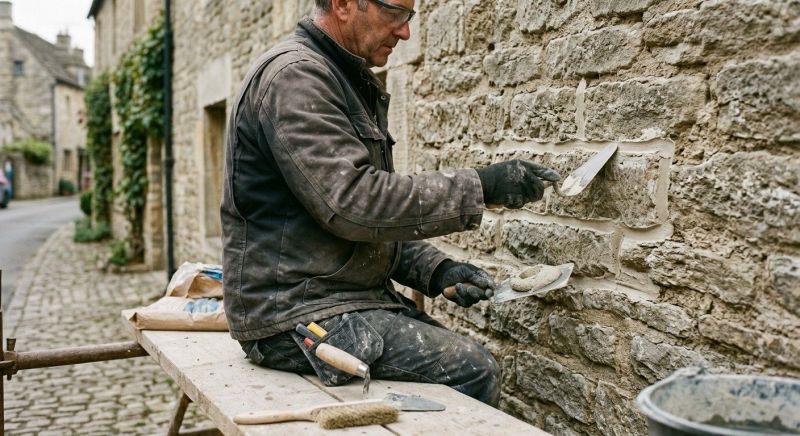
Stone Tuckpointing Questions
What is tuckpointing? Tuckpointing involves repairing the mortar joints between bricks or stones to improve appearance and stability of masonry structures.
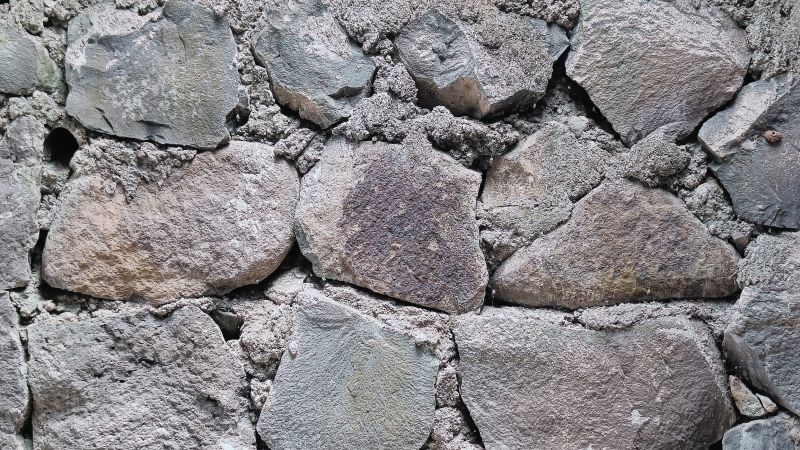
When should mortar be repointed? Repointing is recommended when mortar shows signs of cracking, crumbling, or significant weathering, especially on older or exposed masonry.
Are there different types of tuckpointing techniques? Yes, common methods include traditional tuckpointing and grinding out damaged mortar before applying new mortar to match the existing joints.
What types of projects typically require tuckpointing? Tuckpointing is often needed on chimneys, brick walls, foundations, and decorative masonry features to restore integrity and appearance.
Request Stone Tuckpointing in Cleveland, OH
Use the quote form on this page to share the basics of your project and request more information for the type of work you need.