Get Brick Veneer Installation
Local contractors offer brick veneer installation services to enhance property exteriors, improve durability, and address aesthetic or structural needs for various building projects.
Brick veneer installation can significantly enhance the appearance and durability of a property, making it an appealing choice for many property owners in the area. Whether updating the exterior of a home or adding a classic touch to a commercial building, choosing the right local contractors ensures the project is handled with expertise and care. Exploring your options and understanding the benefits of brick veneer can help you plan a project that adds value and aesthetic appeal to your property.
Property owners often consider brick veneer for its low maintenance, timeless style, and long-lasting performance. Comparing local service providers allows you to find experienced professionals who can meet your specific needs and preferences. Continuing to explore your options can help you make informed decisions and connect with trusted contractors ready to assist with your brick veneer installation project.
- Residential Brick Veneer Installation - homeowners may need this service when updating or renovating the exterior of their house.
- Commercial Brick Veneer Projects - businesses seeking to enhance their building's appearance or comply with local building codes might require professional installation.
- New Construction Brick Veneer - builders constructing new properties often look for local contractors to handle the brick veneer work.
- Brick Veneer Repair and Restoration - property owners may need repairs or restoration services for damaged or aging brick veneer exteriors.
- Custom Brick Veneer Features - clients wanting unique or decorative brick veneer accents may seek specialists to bring their design ideas to life.
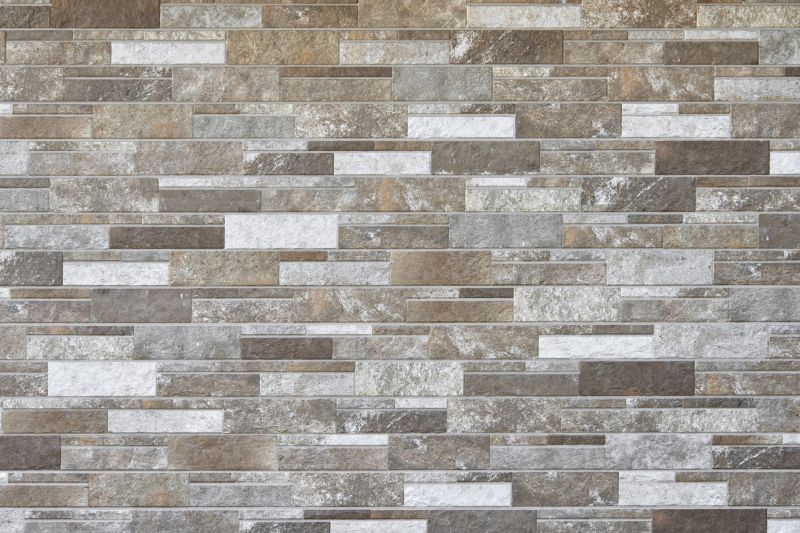
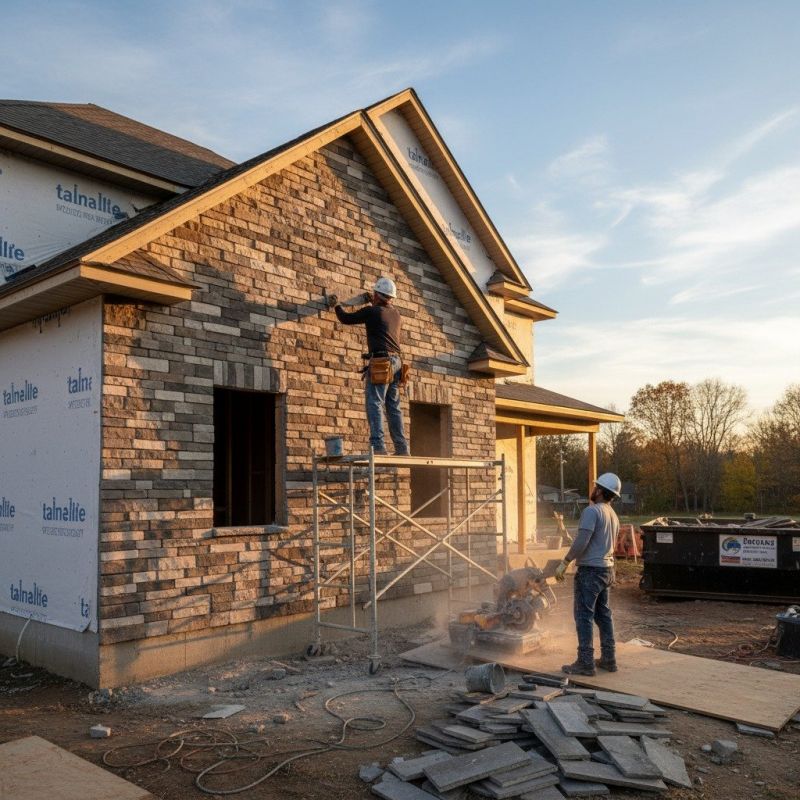
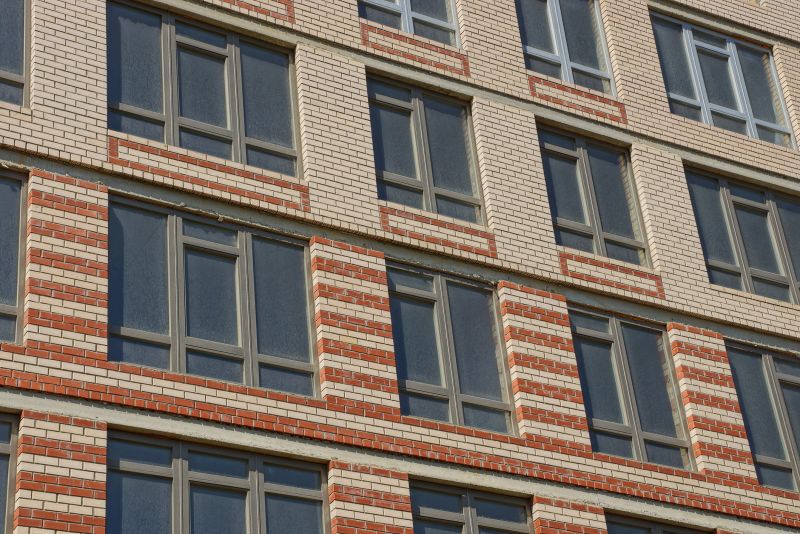
Brick veneer installation involves attaching a layer of brick to the exterior walls of a building to enhance durability and aesthetic appeal. This process typically includes preparing the existing surface, applying a suitable backing material, and carefully installing the brick veneer in a way that ensures stability and long-lasting performance. The result is a classic, timeless look that can significantly improve the curb appeal of a property while providing an additional layer of protection against weather elements.
This service helps address common problems such as moisture infiltration, structural deterioration, and poor insulation. Over time, homes and buildings can develop cracks, leaks, or damage that compromise their integrity. Installing brick veneer can serve as a protective barrier, preventing water from seeping into the walls and reducing the risk of mold or rot. Additionally, brick veneer can improve insulation, making properties more energy-efficient and helping to maintain comfortable indoor temperatures.
Brick veneer is frequently used on residential properties, including single-family homes, townhouses, and multi-unit apartment buildings. It is also suitable for certain commercial properties that seek a durable and attractive exterior finish. Homeowners might opt for brick veneer to upgrade aging exteriors, repair damaged brickwork, or add a distinctive architectural feature. Property owners looking to increase the value and visual appeal of their buildings often consider this service as a practical solution.
Local contractors who specialize in brick veneer installation can assess the specific needs of a property and recommend the best approach. They have the experience to handle various types of brick and backing materials, ensuring the finished work meets both aesthetic and functional goals. Whether addressing structural concerns or simply enhancing the appearance of a property, contacting experienced service providers can help find the right solution for brick veneer installation needs.
The overview below groups typical Brick Veneer Installation projects into broad ranges so you can see how smaller, mid-sized, and larger jobs often compare in your area.
In many markets, a large share of routine jobs stays in the lower and middle ranges, while only a smaller percentage of projects moves into the highest bands when the work is more complex or site conditions are harder than average.
Smaller Repairs - Typical costs for minor brick veneer repairs or patchwork range from $250 to $600. Many routine jobs fall within this middle range, with fewer projects reaching the higher end of the spectrum. Local contractors can provide estimates based on the specific scope of repairs needed.
Partial Replacement - Replacing a section of brick veneer generally costs between $1,200 and $3,000. Larger, more involved projects tend to push into the higher end, especially if matching existing materials or complex work is required. Many service providers can accommodate these mid-range projects efficiently.
Full Wall or Section Replacement - Complete replacement of a brick veneer wall can range from $4,000 to $8,000 depending on size and complexity. Projects in this range are common for extensive renovations, while very large or intricate jobs may exceed this estimate. Local pros can assess specific project details for accurate pricing.
Full Building Veneer Installation - Installing brick veneer on an entire building typically costs from $15,000 to over $30,000. Larger, custom, or high-end designs can reach higher costs, but most projects fall within the mid to upper range. Experienced local contractors can provide detailed quotes based on project size and scope.
Actual totals will depend on details like access to the work area, the scope of the project, and the materials selected, so use these as general starting points rather than exact figures.
Stone Veneer Installation - this project involves applying decorative stone materials to exterior walls, requiring similar skills in surface preparation and masonry techniques as brick veneer work.
Exterior Wall Cladding - installing various types of exterior cladding involves planning, surface preparation, and the use of tools comparable to those used in brick veneer installation.
Retaining Wall Construction - building retaining walls requires masonry skills, proper planning, and knowledge of materials similar to those used in brick veneer projects.
Facade Restoration - restoring or repairing building facades involves masonry and surface preparation skills that align closely with brick veneer installation processes.
Fireplace Surrounds - constructing or refurbishing fireplace surrounds involves masonry skills, decorative finishing, and surface planning akin to exterior brick veneer work.
Outdoor Masonry Projects - creating patios, walkways, or garden walls involves masonry techniques and planning similar to those used in brick veneer installation services.
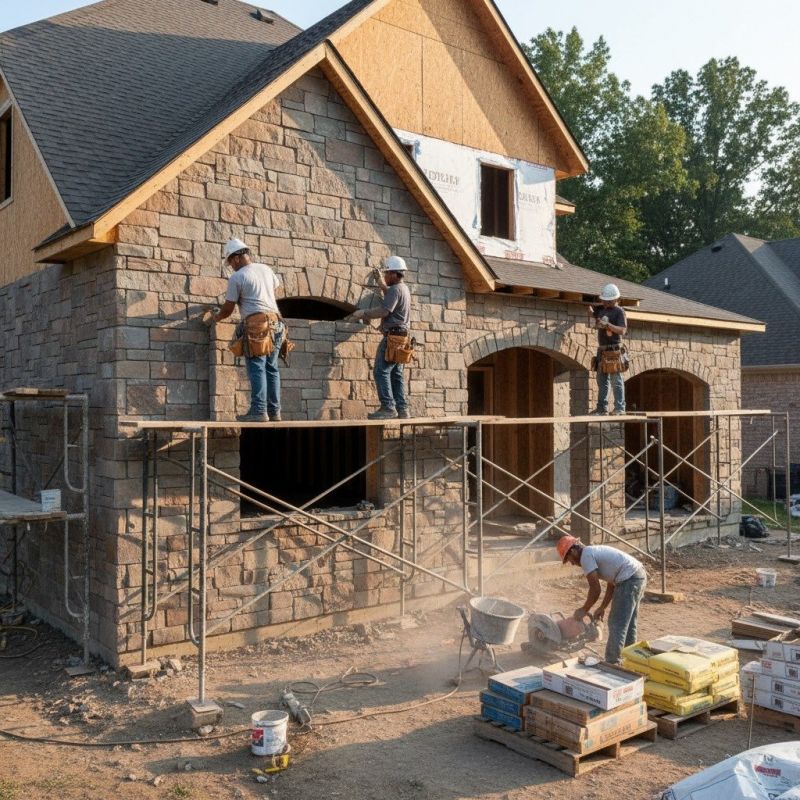
When comparing service providers for brick veneer installation, it’s important to consider their experience with similar projects. Homeowners should look for local contractors who have a proven track record of completing brick veneer work on homes comparable in style and size. An experienced provider will be familiar with the specific techniques and materials that suit the local climate and architectural preferences, which can contribute to a more durable and aesthetically pleasing result. Asking about past projects or viewing portfolios can help gauge their familiarity with the type of work needed for the home.
Clear, written expectations are essential when evaluating potential contractors. Homeowners should seek detailed proposals that outline the scope of work, materials to be used, and any relevant milestones or responsibilities. Having this information in writing helps prevent misunderstandings and ensures everyone is aligned on project goals. Good service providers will be transparent about their process and willing to provide documentation that clarifies what is included and what is not, making it easier to compare options objectively.
Effective communication and reputable references are key indicators of a reliable local contractor. Homeowners should inquire about how promptly and clearly prospective service providers respond to questions and whether they are comfortable discussing project details. Additionally, asking for references from previous clients can provide insight into the contractor’s professionalism, quality of work, and ability to meet deadlines. While the site introduces homeowners to local options, it’s important to remember that it does not perform the work itself but helps connect homeowners with qualified service providers who can handle brick veneer installation projects effectively.
Property owners use Brick Veneer Installation services for practical projects around their homes and businesses. This guide focuses on everyday jobs and straightforward project options.
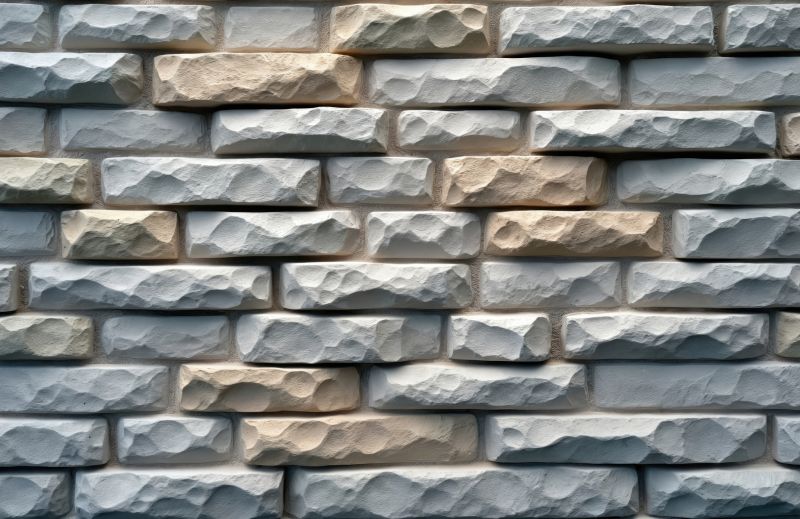
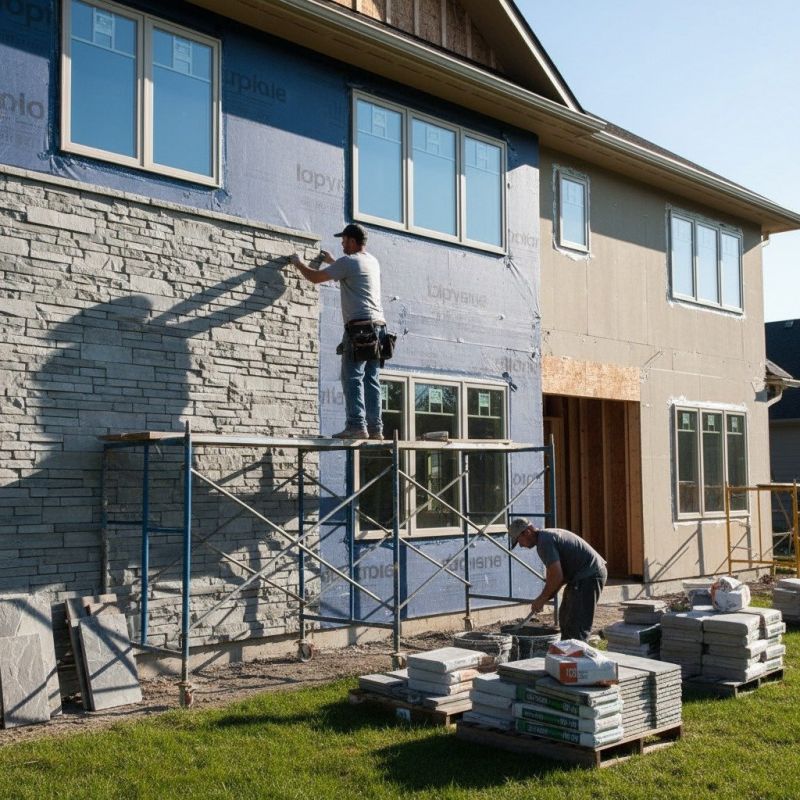
Brick veneer installation is a common project for property owners looking to enhance the appearance and durability of their homes or commercial buildings. Local contractors are often sought after when replacing worn or damaged brickwork, updating the exterior style, or adding a classic touch to new construction. Many property owners may also consider brick veneer to improve insulation or to increase the overall value of their property, making it a practical choice for a variety of renovation or construction needs.
In everyday situations, property owners might turn to local service providers when preparing a property for sale, repairing weather-related damage, or simply upgrading the exterior for better curb appeal. Whether it's a small section or an entire façade, local pros are equipped to handle different sizes and styles of brick veneer projects, providing options that suit individual property requirements. Connecting with experienced contractors can help ensure the work is completed efficiently and to the property owner’s expectations.
What is brick veneer installation? Brick veneer installation involves attaching a layer of brick to the exterior of a building to enhance its appearance and provide additional protection.
How do local contractors prepare for brick veneer installation? They typically assess the building structure, select appropriate materials, and prepare the surface to ensure proper adhesion and durability.
What types of brick veneer are commonly used? Common options include traditional clay bricks, manufactured stone, and concrete blocks, each offering different aesthetic and functional qualities.
Can brick veneer be installed on existing structures? Yes, many service providers can add brick veneer to existing walls, provided the surface is suitable and structurally sound.
What maintenance is required after brick veneer installation? Maintenance generally involves regular cleaning and inspection for damage or mortar issues to preserve appearance and integrity.
Enhancing Curb Appeal - Brick veneer installation can improve the exterior appearance of a home, making it more attractive for everyday living or resale.
Adding Exterior Insulation - Property owners may use brick veneer to provide an extra layer of insulation to help regulate indoor temperatures.
Upgrading Exterior Walls - Local contractors can help replace or upgrade aging or damaged exterior surfaces with durable brick veneer.
Creating a Classic Look - Brick veneer offers a timeless aesthetic that complements various architectural styles for a polished exterior.
If you are thinking about Brick Veneer Installation for a property, this guide is meant to help you understand the work, the typical project types, and how different options might fit your plans.
When you are ready, you can use the quote form on this page to share a few details about your project. From there, local pros can review the basics and respond with options that match what you have in mind.